Most tactical training focuses on the team — how they move, how they shoot, how they coordinate. Far less of it focuses on the one person whose decisions shape all of that: the small-unit leader. When a situation develops and there’s no time to consult anyone, it’s the team leader who decides, in seconds, what the unit does next. That judgment, formed under pressure with incomplete information, often matters more to the outcome than any individual’s technical skill — and it’s one of the least systematically trained abilities in the whole field.
Why leadership judgment is hard to drill
The technical skills of a unit can be practised endlessly on a range. The leader’s judgment can’t, because judgment only gets tested when there’s a genuine dilemma to resolve — and you can’t conveniently stage real dilemmas, with real pressure and real consequences, over and over. So leadership tends to be developed slowly, through accumulated real experience, which means a leader’s first hard calls are often made for real, with a team depending on the outcome.
That’s a costly way to build a critical skill. The decisions a small-unit leader makes — when to push, when to hold, how to weigh risk against objective, how to adapt when the plan breaks — are precisely the ones you’d most want them to have rehearsed before the stakes are real. Yet conventional training offers them remarkably few chances to practise deciding.
What VR lets a leader rehearse
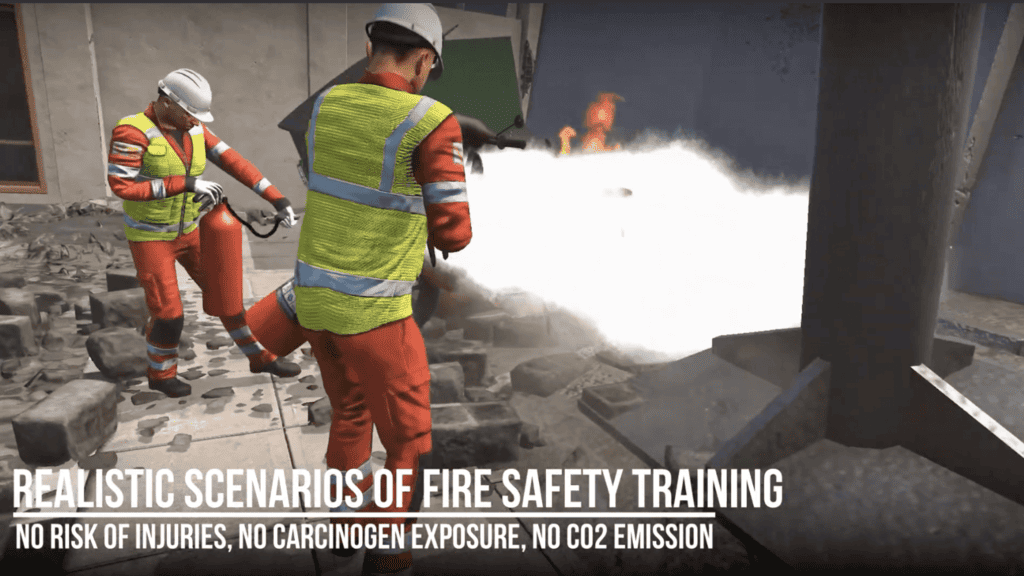
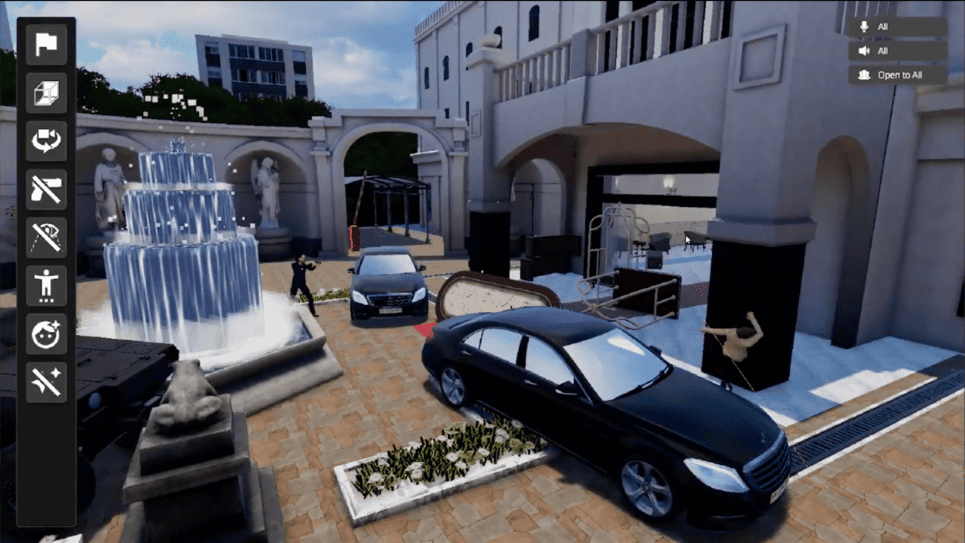
Immersive training opens that door. A VR scenario can place a small-unit leader inside a developing situation and force them to make the calls — read the situation, decide, direct the team, and live with how it plays out — repeatedly, across many varied dilemmas, with no one actually at risk.
[YOUTUBE EMBED — KOMINA decision-pressure scenario: https://www.youtube.com/watch?v=yRPJI-pm7Xc]
Indonesian developer KOMINA has built scenario and sandbox platforms designed to push decision-making under pressure, not just execution. For a leader, that means rehearsing the hardest part of the role — the call itself — in an environment where a poor decision is a lesson rather than a casualty. A leader who has worked through dozens of pressured dilemmas in VR builds a library of judgment that experience would otherwise take years and real risk to accumulate.
The review that makes judgment visible
There’s a coaching advantage that real operations can’t offer. After a VR scenario, the leader and the trainer can review the decisions objectively — what the leader knew at each moment, what they chose, what the result was, and where a different read would have changed the outcome. Judgment, normally an invisible internal process, becomes something that can be examined and improved deliberately. That turns leadership development from a matter of slow accumulated experience into something a unit can actually train.
Where it stops
VR doesn’t build the full weight of leadership. Real authority, the trust of a team, and the burden of genuine responsibility are forged through actual command, not simulation. A headset can rehearse the decision; it can’t confer the relationships and credibility that real leadership also requires.
But it fixes the specific scarcity at the heart of leadership development: too few chances to practise the hard calls before they count. By making pressured decision-making rehearsable and reviewable, VR helps a small-unit leader walk into their first real dilemma having already faced a hundred like it.
A team is only as good as the calls its leader makes under pressure — and those calls are exactly what most training never lets them practise.