
There’s a certificate on the wall. Somewhere in the break room, there’s a first aid kit. Twice a year, someone from HR sends a reminder about the emergency contact list.
And then someone collapses in the office, and nobody moves for four critical seconds because nobody actually knows what to do when the moment is real.
This is the failure mode that VR safety training for first aid was designed to prevent. Not the knowledge gap — most first aid training covers the knowledge adequately. The performance gap. The difference between knowing what to do and being able to do it while your hands are shaking and a colleague is unconscious on the floor in front of you.
Why First Aid Training Usually Fails at the Moment That Matters
First aid certification programs are generally well-designed for what they are: structured curricula for transmitting procedural knowledge in a classroom setting. Trainees learn CPR technique, wound management, shock response, choking intervention. They practice on mannequins, get corrected by instructors, pass assessments.
What they almost never experience is the full context of an actual emergency.
The colleague who collapses doesn’t do it in a training room with an instructor present and the procedure fresh in mind. They collapse in a meeting, or in a corridor, or in a bathroom, at 3pm on a Tuesday six months after the certification course. The bystanders around them are panicked. Nobody is sure if an ambulance has been called. The casualty isn’t in the correct position for treatment. There are multiple things happening at once and none of them match the orderly sequence from the training session.
Psychological research on emergency response consistently shows that performance degrades sharply when the conditions of practice diverge from the conditions of performance. You perform well in the environment you trained in, under the conditions you trained under. When those conditions change — when stress rises, when context shifts, when the situation is messier and more urgent than the training scenario — performance falls.
The solution is not better classroom training. It’s training that more closely approximates the real thing.
How VGLANT’s First Aid VR Training Works
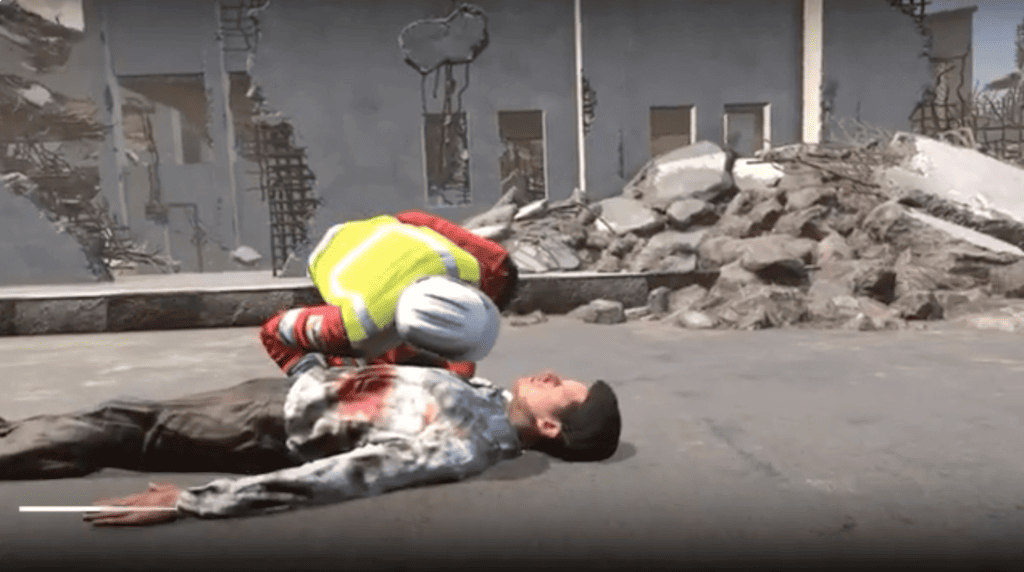
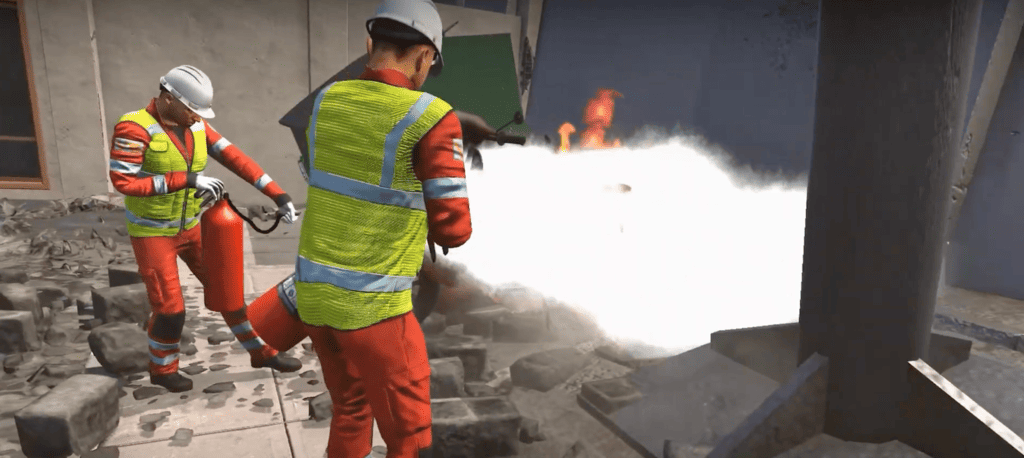
VGLANT’s VR safety training for first aid places trainees inside fully realized emergency scenarios — not mannequins in a classroom, but virtual human beings in realistic environments who are injured, unconscious, or in medical distress, and who need help right now.
The scenarios are built from standardized emergency response procedures, ensuring that what trainees practice in the simulation is clinically accurate and procedurally correct. The platform converts existing first aid SOPs into immersive training sequences that trainees navigate actively, making decisions and performing procedures in real time.
The range of scenarios covers the emergencies that are statistically most likely to occur in workplace and public settings. Cardiac events requiring CPR and AED deployment. Choking in adults and children. Severe bleeding requiring wound packing and pressure application. Anaphylaxis recognition and epinephrine administration. Shock management and recovery position. Fractures and spinal injury precautions.
In each scenario, the trainee has to assess the situation, identify the correct intervention, and execute the procedure. The simulation provides feedback in real time — technique errors are flagged, time-critical steps that are delayed generate alerts, and the overall session is scored against standardized performance benchmarks.
The Muscle Memory Mechanism
The reason VR safety training for first aid produces better outcomes than classroom training is the same reason that flight simulators produce better pilots than flight manuals: procedural skills are built through practice, not through reading.
When a trainee performs chest compressions in VGLANT’s simulation — finding the correct hand position, establishing the correct depth and rate, maintaining it for two minutes while managing mental task load — their nervous system is building the same motor pathway that CPR in a real emergency will require. Not a representation of that pathway. The actual pathway.
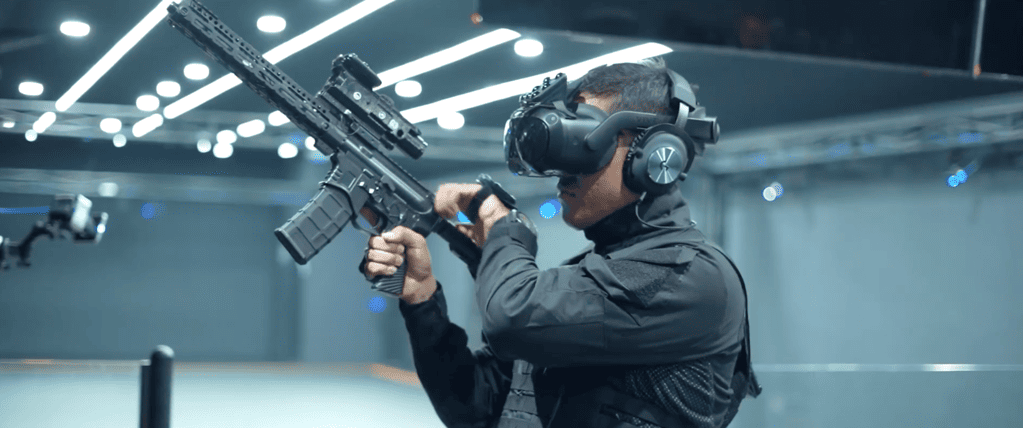
VGLANT’s immersive environment enhances this effect through the adrenaline mechanism. Because the simulation is visually and contextually convincing, it triggers genuine physiological stress response. The trainee’s heart rate rises. Attention narrows. The urgency feels real. And skills practiced under that level of arousal are encoded more durably and accessed more reliably under similar arousal in a real emergency.
This is the core advantage: not just knowing the procedure, but having performed it under something approximating the pressure of a real event.
Trackable Performance, Personalized Improvement
VGLANT’s platform doesn’t just deliver training — it generates data.
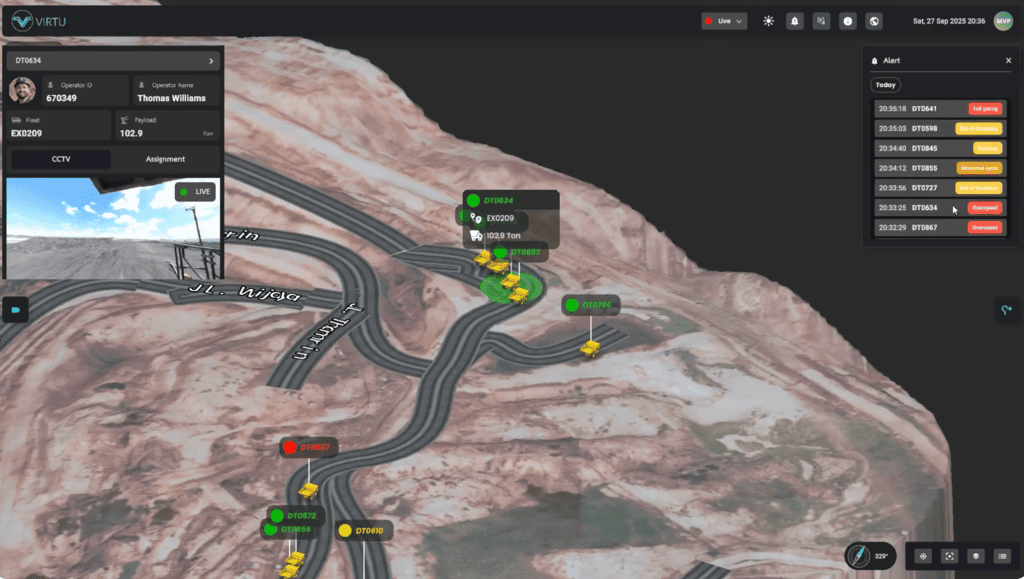
Every session captures granular performance metrics: time from scenario start to correct intervention initiation, procedure accuracy at each step, decision quality at branch points, total task completion time. This data feeds into a visual admin dashboard that allows safety managers to review individual performance, track improvement across sessions, and identify specific procedural gaps that need targeted remediation.
This transforms first aid training from an episodic compliance event into a continuous readiness program. Rather than certifying a cohort annually and hoping for the best, organizations using VGLANT can maintain ongoing visibility into their team’s actual first aid capability — and intervene early when performance data suggests specific individuals or teams need additional practice.
The contextual and personalized dimension of VGLANT’s platform is particularly valuable here. Because the simulation evaluates whole-scenario performance rather than isolated procedural steps, it captures the decision-making and situational assessment skills that paper assessments miss entirely. A trainee who knows every step of CPR procedure but takes forty seconds to recognize the emergency and initiate response is flagged by the system in a way that a written exam would never catch.
From Certified to Capable
The goal of first aid training isn’t certification. Certification is a milestone on the way to a goal, and the goal is a workforce that can actually save lives when an emergency occurs.
VR safety training for first aid bridges the gap between those two things. It takes the procedural knowledge that conventional training provides and builds it into practiced, stress-tested, data-verified capability — the kind that activates correctly when someone needs it most.
The organizations that have made this shift don’t just have better safety metrics. They have staff who have been inside a simulated emergency, made the decisions, performed the procedures, and come through it with a different relationship to their own competence. They know they can do it. That confidence is itself a safety asset.
Discover how VGLANT’s first aid VR training can build genuine emergency readiness in your organization at https://vglant.com/